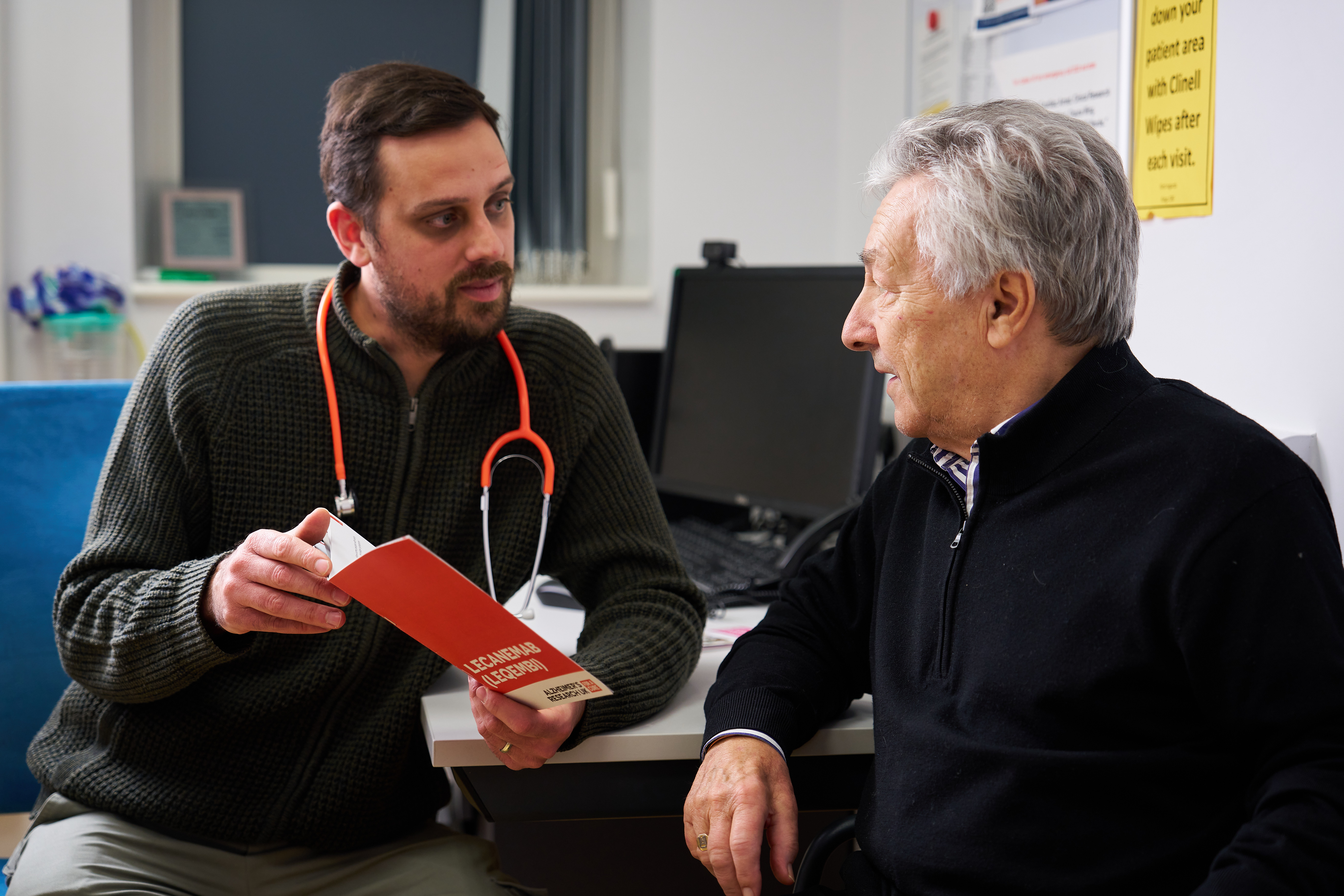
Evaluating cancer multidisciplinary team (MDT) meetings

Cancer MDT meetings are a crucial point in a patient’s diagnosis to treatment journey where specialists gather to determine decisions on patient care. However, attendees recognise these meetings create inefficencies and overlook the patient voice. The Royal College of Radiologists (RCR) therefore set out to consult MDT members across the UK to help shape a reform process.

Participants
1,455 healthcare professionals from across the UK who attend cancer MDT meetings, including core team members, coordinators, chairs/leaders, and extended team members.
Methods
Online survey, free-text questions, single and multi-select questions, structured rating scales.
Impact
A platform on which RCR can build a reform process and an evidence-base raising awareness around the work they are doing.
Delivered on behalf of:

What we did

  • Utilised multiple professional networks to reach the full range of roles existing in MDT’s, including through Royal Colleges, MDT coordinators, and paid-for social media posts.
  • Included quantitative questions to understand operational characteristics, e.g. the frequency of cancer MDT meetings and how many hours are spent in these.
  • Included qualitative free-text elements and 5-point agreement scales to fully understand views of cancer MDT meetings; are they seen as useful, are they working efficiently, how can we enhance MDT meeting effectiveness, etc.

Key insights

This consultation of staff surfaced the following headline findings and viewpoints:

1

Clear support for the clinical value of MDT meetings: ensuring best practice is followed, reducing unwarranted variation in care, enhancing communication within teams, reassuring staff about patient management decisions.

2

There are too many inefficiencies impacting these meetings, including; insufficient referral form details, repeat discussions, unavailable pathology results, and tech-availability issues.

3

Varying time burdens on staff from these meetings, with many serving on multiple MDT’s or pathways.

4

Clear priorities for improvement and a universal appetite for reform.

Improvement in action

The reform of cancer MDT meetings has the potential to have an enormous impact on patient care and system productivity.  

RCR are currently working with relevant stakeholders to determine next steps.

An academic paper is also due for publication in 2026, offering a descriptive analysis of:

  • Survey participants and the MDT context in which they worked
  • The perceived clinical value of MDTs
  • Persistent operational inefficiencies in MDT working
  • Awareness and implementation of national MDT streamlining guidance
  • Priorities for improving MDT effectiveness  
  • Attitudes to digital tools and AI in MDT working
A group of healthcare professionals sat at a table having a discussion.

"Thiscovery worked hard to understand what we felt the issues were and then helped clarify and articulate these. Their team designed a fantastic project, operating with enthusiasm and efficiency, and using technology pragmatically to produce a survey that had enormous reach. We gained valuable multidisciplinary insights from a much wider audience than we could've hoped for on our own."

Dr Kath Halliday

Past President
The Royal College of Radiologists
Share client story
Link copied

Other client stories for you to read