08 April 2026
Thoughts
Accessibility in research: Why it matters and how we do it
Our thoughts on accessibility in online research and why it is fundamental to the innovation and design behind every client project we work on.

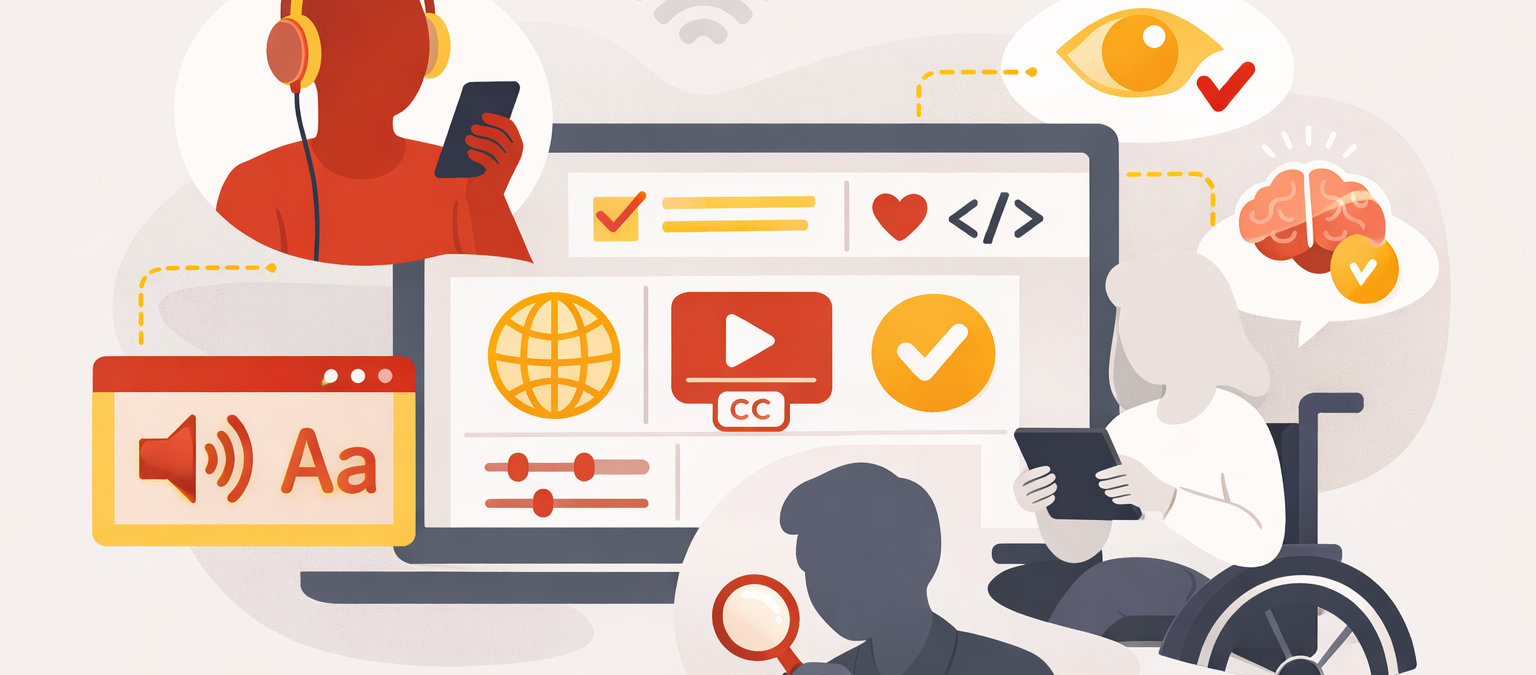
Our thoughts on accessibility in online research and why it is fundamental to the innovation and design behind every client project we work on.
When we think about online research in health and care, we often focus on the findings. But there's a key question we should ask first: who gets to take part and have their voice heard? If research that happens online isn't open to everyone, we risk excluding voices that could give us the most valuable insights.
At Thiscovery, accessibility isn't just a box to tick. It's central to who we are and how we work. Our commitment comes from a simple truth: if online research about health and care isn't open to all, it can't truly serve all.
When online research excludes people with disabilities or cognitive differences, the results go beyond individual exclusion. We end up with data that doesn't show the full range of experiences. Health policies and new ideas built on this incomplete picture may fail large parts of the population.
Think about someone using a screen reader trying to navigate a poorly designed digital survey. Or a participant struggling to understand complex medical language in online consent forms. These barriers don't just frustrate people. They shut out views that could change how we understand health and care needs.
For us at Thiscovery, ‘good’ accessibility isn’t just about meeting technical standards. We've learned that true accessibility means going further.
Meeting technical rules might make content available. But it doesn't always make it clear or welcoming. That's why we focus equally on how we communicate.
The content, tone and voice of our client projects are vital for quality participant engagement. That’s why we write all participant-facing content to NHS plain English standards. This includes:
- Our online surveys
- Landing pages
- Privacy notices
- Study information
- Consent forms
We avoid jargon, use clear sentences, and break information into chunks that make sense to everyone. Because making a participant feel comfortable means they feel welcomed, valued and respected.
There's a big difference between making something accessible and giving everyone an equally good experience. When we design for screen readers or keyboard navigation, we know these different methods can create different user experiences. We don't accept this as inevitable. We work hard to make sure everyone gets the same quality of experience.
Doing this continues to make participants feel comfortable throughout their journey with us. When someone understands what we're asking and feels respected, they're more likely to give thoughtful, honest answers. This isn't just good ethics. It gives us richer, more reliable data.
Our commitment goes beyond research participants. We make sure the insights we create are accessible to everyone who needs them. We provide our reports and data tables in formats that work well with screen readers. This means stakeholders with visual problems can use findings just as easily as anyone else.
Over the past year, we've made real progress in how we approach accessibility. But we see this as an ongoing journey, not a destination. Each project teaches us something new about removing barriers and creating more inclusive research.
For us, accessibility links directly to our values of inclusivity and integrity. When we make sure everyone can take part in health and care research, we're not just being inclusive. We're doing better research that can lead to better outcomes for everyone.